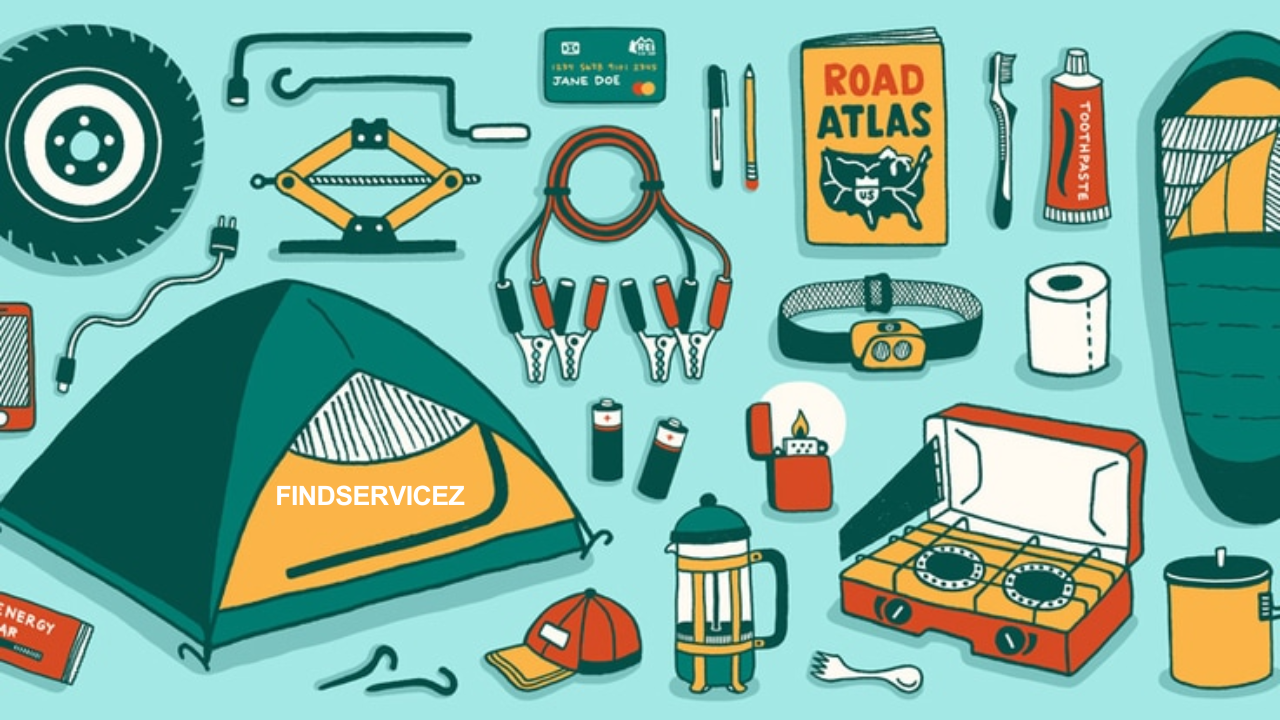

A cross-country road trip is a quintessential adventure, offering a chance to experience the diversity of landscapes, cultures, and cuisines that make up a nation. Whether you’re hitting the open road solo, with friends, or family, proper planning is key to making your journey smooth and memorable. Here’s the ultimate checklist to ensure your cross-country road trip is a roaring success.
Planning Your Route
- Choose Your Route:
- Decide on the major highways or scenic byways you’ll take.
- Consider iconic routes like Route 66 in the U.S., the Great Ocean Road in Australia, or the Garden Route in South Africa.
- Use apps like Google Maps, Waze, or Roadtrippers to plan and customize your route.
- Research Stops Along the Way:
- Identify must-see landmarks, national parks, and quirky roadside attractions.
- Look for unique restaurants, museums, and cultural sites.
- Factor in rest stops and overnight stays.
- Check Road Conditions:
- Stay updated on weather forecasts and road closures.
- Download offline maps in case of poor signal in remote areas.
- Set a Realistic Timeline:
- Avoid overpacking your itinerary. Allow time for unexpected delays or spontaneous detours.
- Aim for a balance between driving and sightseeing.

Prepping Your Vehicle
- Get a Full Vehicle Inspection:
- Check tires, brakes, fluid levels, and battery.
- Ensure your headlights, taillights, and indicators are functioning properly.
- Replace worn-out windshield wipers.
- Prepare for Emergencies:
- Carry a spare tire, jack, and lug wrench.
- Pack a roadside emergency kit with jumper cables, a flashlight, a first-aid kit, and basic tools.
- Include a fire extinguisher and reflective triangles for safety.
- Clean and Organize Your Vehicle:
- Declutter your car to maximize space and comfort.
- Use organizers or bins to keep essentials within easy reach.
- Test Drive:
- Take your vehicle for a test drive to ensure everything runs smoothly.
Packing Essentials
- Documents and Paperwork:
- Driver’s license, vehicle registration, and insurance.
- Roadside assistance membership card.
- Copies of your itinerary and emergency contacts.
- Navigation Tools:
- GPS device or smartphone with navigation apps.
- Physical maps as a backup.
- Compass for remote areas.
- Clothing and Footwear:
- Pack versatile, weather-appropriate clothing.
- Comfortable shoes for driving and exploring.
- Rain gear and a hat for sun protection.
- Food and Snacks:
- Non-perishable snacks like granola bars, nuts, and dried fruit.
- A cooler for perishable items.
- Reusable water bottles to stay hydrated.
- Entertainment:
- Download playlists, audiobooks, and podcasts.
- Bring books, magazines, or travel journals.
- Games or activities for kids, if applicable.
- Tech Gadgets:
- Phone charger, power bank, and car charger.
- Camera and accessories for capturing memories.
- Laptop or tablet for downtime or planning.
- Comfort Items:
- Travel pillows and blankets.
- Sunglasses and sunscreen.
- Hand sanitizer and wet wipes.
- Camping Gear (if applicable):
- Tent, sleeping bags, and camping stove.
- Cooking utensils, dishes, and biodegradable soap.
- Portable chairs and a flashlight or headlamp.
Budgeting and Finances
- Set a Budget:
- Estimate expenses for gas, lodging, food, and activities.
- Include an emergency fund for unexpected costs.
- Plan for Gas:
- Use apps like GasBuddy to find the cheapest gas stations along your route.
- Calculate your vehicle’s mileage to estimate fuel costs.
- Book Accommodations in Advance:
- Reserve hotels, motels, or campgrounds ahead of time, especially during peak travel seasons.
- Look for deals on apps like Airbnb, Booking.com, or Hostelworld.
- Carry Multiple Payment Options:
- Bring cash, credit cards, and debit cards.
- Notify your bank of your travel plans to avoid card issues.

Staying Safe and Healthy
- Health Precautions:
- Pack any prescription medications and a basic first-aid kit.
- Carry a list of emergency medical contacts and nearby healthcare facilities.
- Stay hydrated and take breaks to stretch during long drives.
- Road Safety:
- Follow speed limits and traffic laws.
- Avoid driving while fatigued or distracted.
- Share your location with a trusted friend or family member.
- Emergency Plan:
- Know what to do in case of a breakdown or accident.
- Keep emergency numbers and roadside assistance contacts handy.
- Familiarize yourself with basic car repair skills.
Making the Most of the Journey
- Embrace Flexibility:
- Be open to spontaneous detours and discoveries.
- Allow extra time for unplanned stops and local recommendations.
- Capture Memories:
- Take photos and videos to document your trip.
- Keep a travel journal to jot down thoughts, experiences, and highlights.
- Connect with Locals:
- Chat with locals for insider tips on hidden gems and must-try foods.
- Attend local events or festivals to immerse yourself in the culture.
- Savor the Experience:
- Take in the scenery and enjoy the journey as much as the destination.
- Disconnect from technology periodically to fully engage with your surroundings.
Post-Trip Checklist

- Reflect on Your Trip:
- Review your photos and journal entries.
- Share your experiences with friends and family.
- Vehicle Maintenance:
- Clean your car and check for any wear and tear.
- Schedule any necessary maintenance after your journey.
- Budget Review:
- Tally up your expenses to see how well you stuck to your budget.
- Use your findings to plan future trips more efficiently.
- Plan Your Next Adventure:
- Use lessons learned to improve your next road trip.
- Start a list of destinations you’d like to explore in the future.
Final Thoughts
The Best Car Brands for Reliability and Longevity: A Comprehensive Guide
A cross-country road trip is more than just a vacation—it’s an opportunity to create lasting memories and deepen your appreciation for the world around you. With this ultimate checklist in hand, you’ll be well-prepared to tackle the open road with confidence and excitement. So, buckle up, turn up the music, and let the adventure begin!
Originally posted 2025-01-08 04:52:43.